Frequently Asked Questions
What is an energy-storage system?
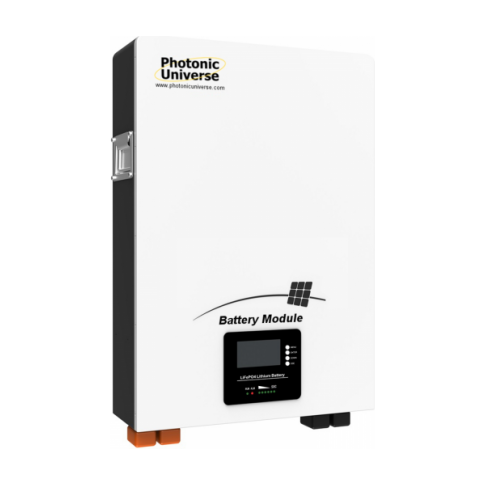
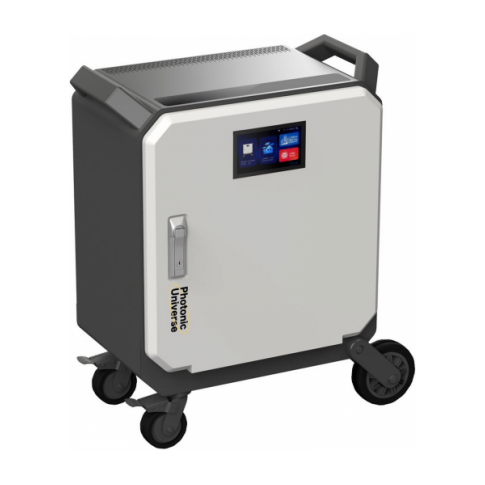
An energy-storage system stores electrical energy so that it can be used at another time.
In a solar installation, this may allow part of the electricity generated during the day to be retained for later use.
Some systems may also support charging from the grid or another compatible energy source.
Can battery storage be added to an existing solar system?
Sometimes.
Retrofit suitability depends on the existing inverter, electrical architecture, battery technology, metering, communications and intended operating mode.
Both AC-coupled and DC-coupled storage solutions exist, but they have different system requirements.
Does an energy-storage system provide backup power?
Only where the equipment and installation are specifically designed for backup operation.
Not every battery system continues supplying electricity during a grid outage.
Available backup power, supported circuits and switching arrangements are system-specific.
What is the difference between AC-coupled and DC-coupled storage?
A DC-coupled system typically connects solar generation and battery storage through compatible DC-side equipment such as a hybrid inverter.
An AC-coupled battery has its own power-conversion equipment and operates through the AC side of the electrical system.
The most appropriate arrangement depends on whether the system is new or existing, the equipment already installed and the intended application.
Are high-voltage batteries always better than low-voltage batteries?
No.
Higher system voltage can reduce current for a given power level, but overall performance depends on the complete battery and inverter design.
Voltage alone does not determine efficiency, capacity, charge speed or suitability.
How should I compare energy-storage systems?
Useful specifications include:
usable capacity;
operating voltage;
charge and discharge power;
efficiency information;
battery chemistry;
environmental limits;
communication requirements;
compatible inverters;
warranty terms;
and installation requirements.
The most suitable system depends on the intended application rather than one specification alone.